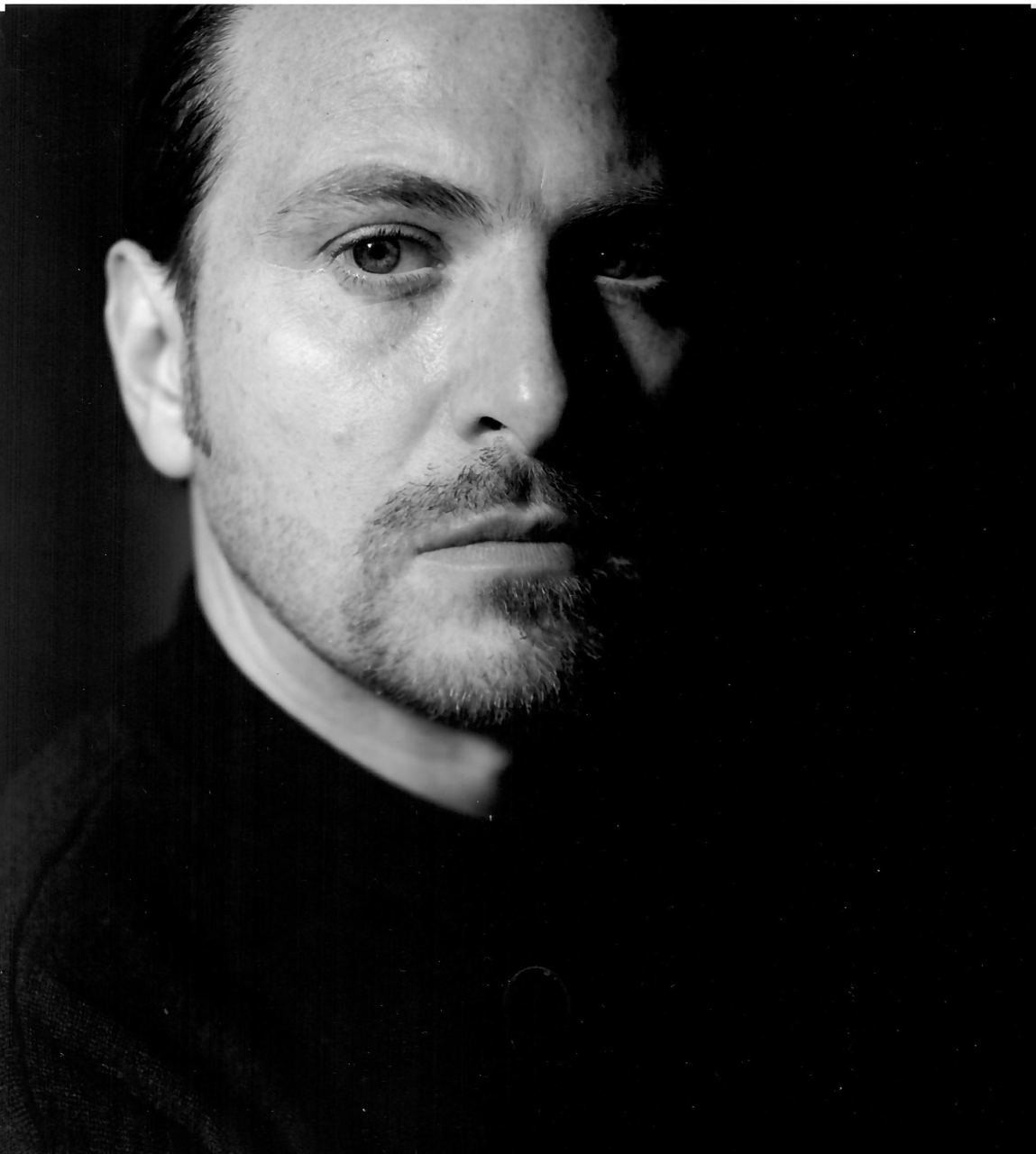
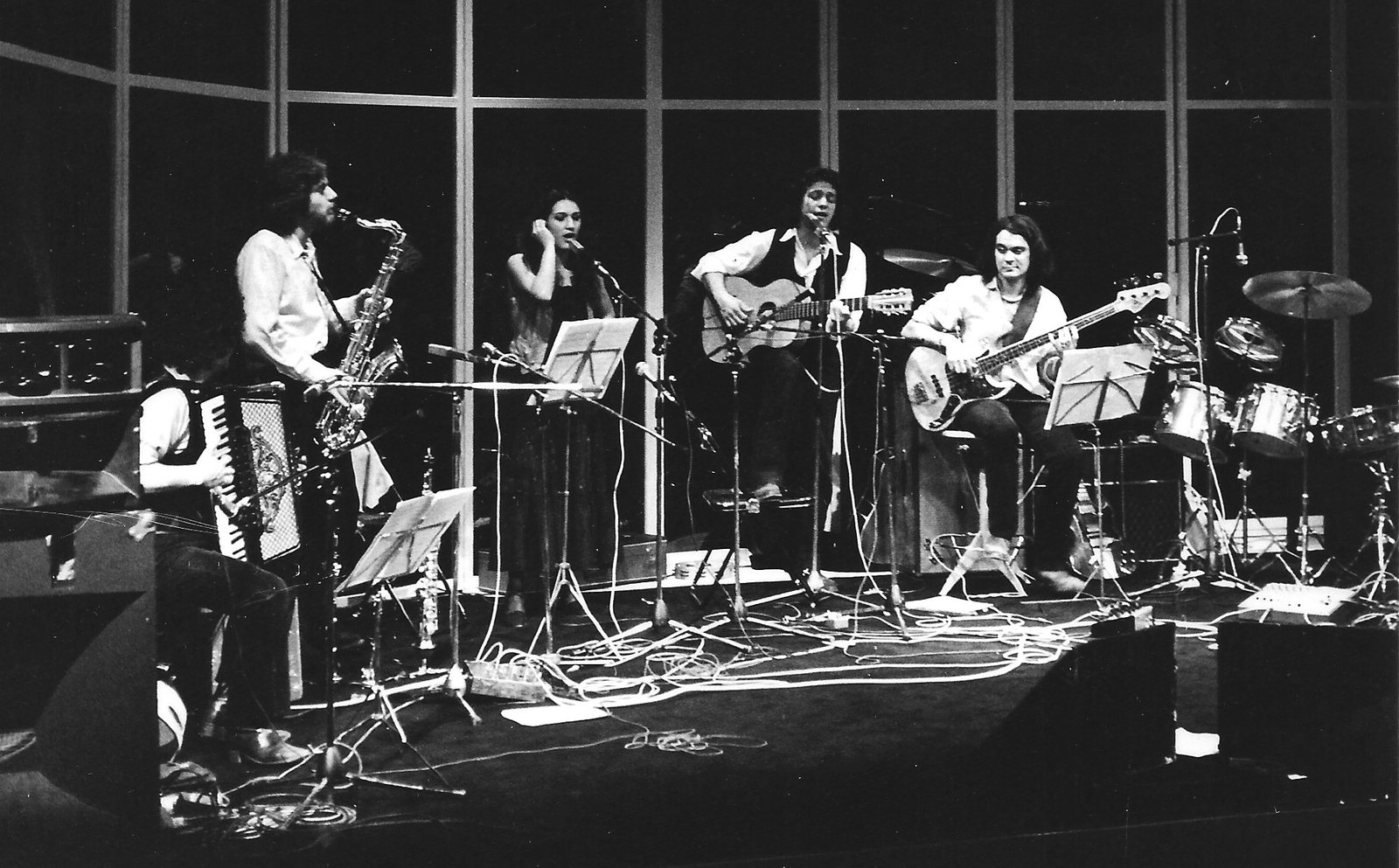
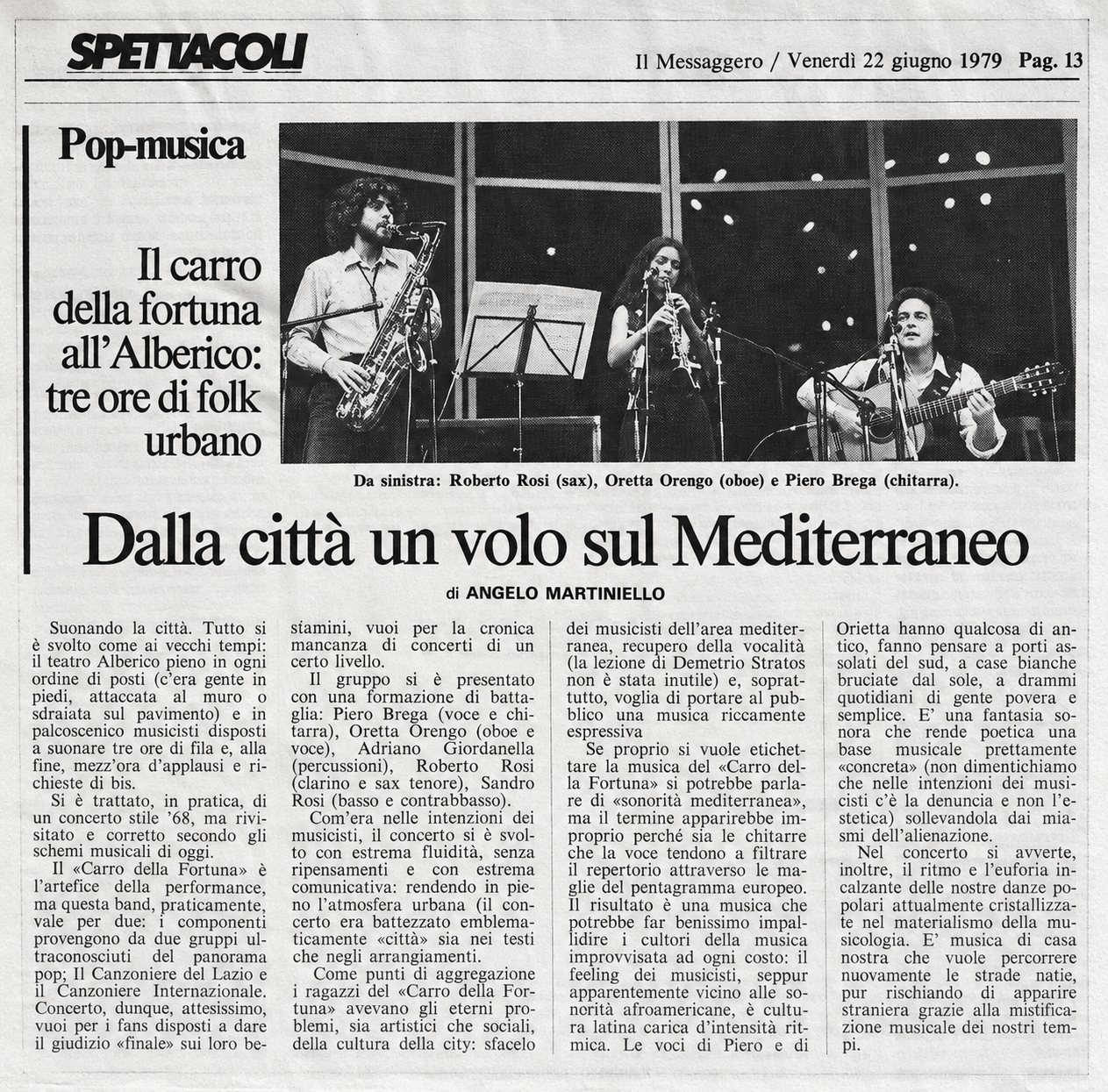
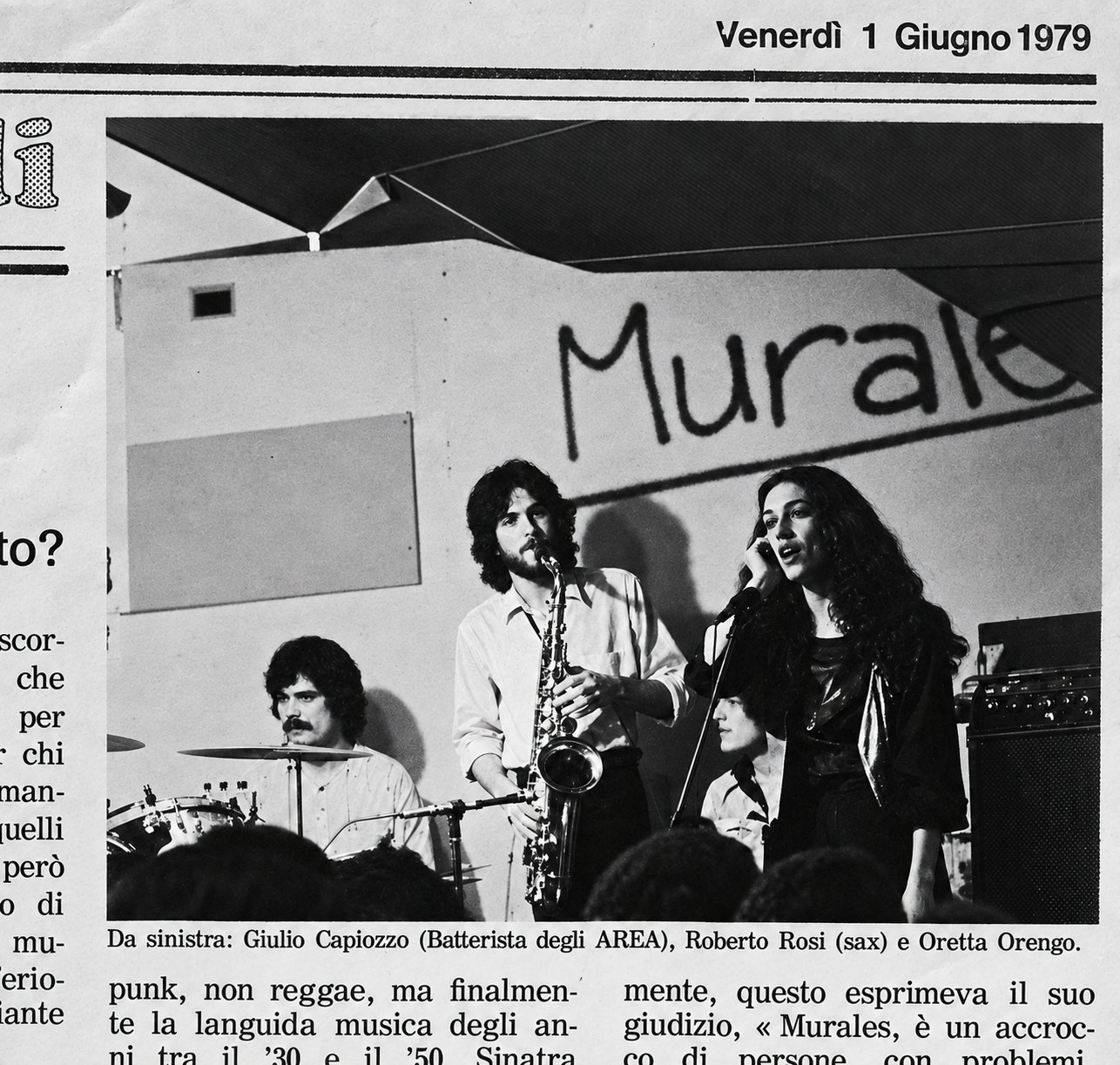
Roberto Rosi (Rome, 1959) is a composer and multi-instrumentalist. His training, which took shape between the late 1970s and the early 1980s at the Conservatorio di Santa Cecilia in Rome, where he studied Composition, Piano, Clarinet, Saxophone, Percussion Instruments and Musical Phonology, belongs to a period of profound renewal in Italian contemporary music. It was in the Musical Phonology course that he developed his conception of sound as malleable matter and learned the analogue techniques of recording and manipulating sound on magnetic tape.
Read the full biographyClose
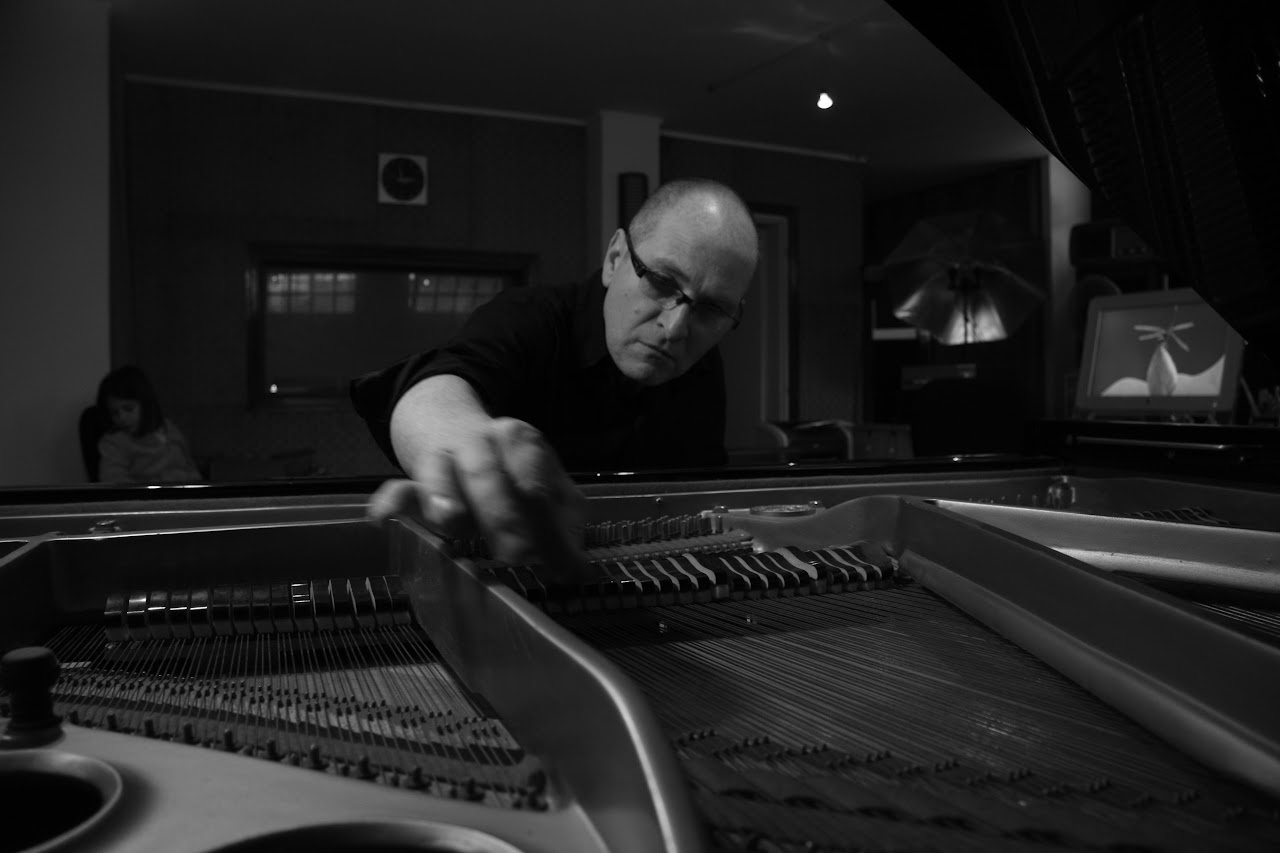
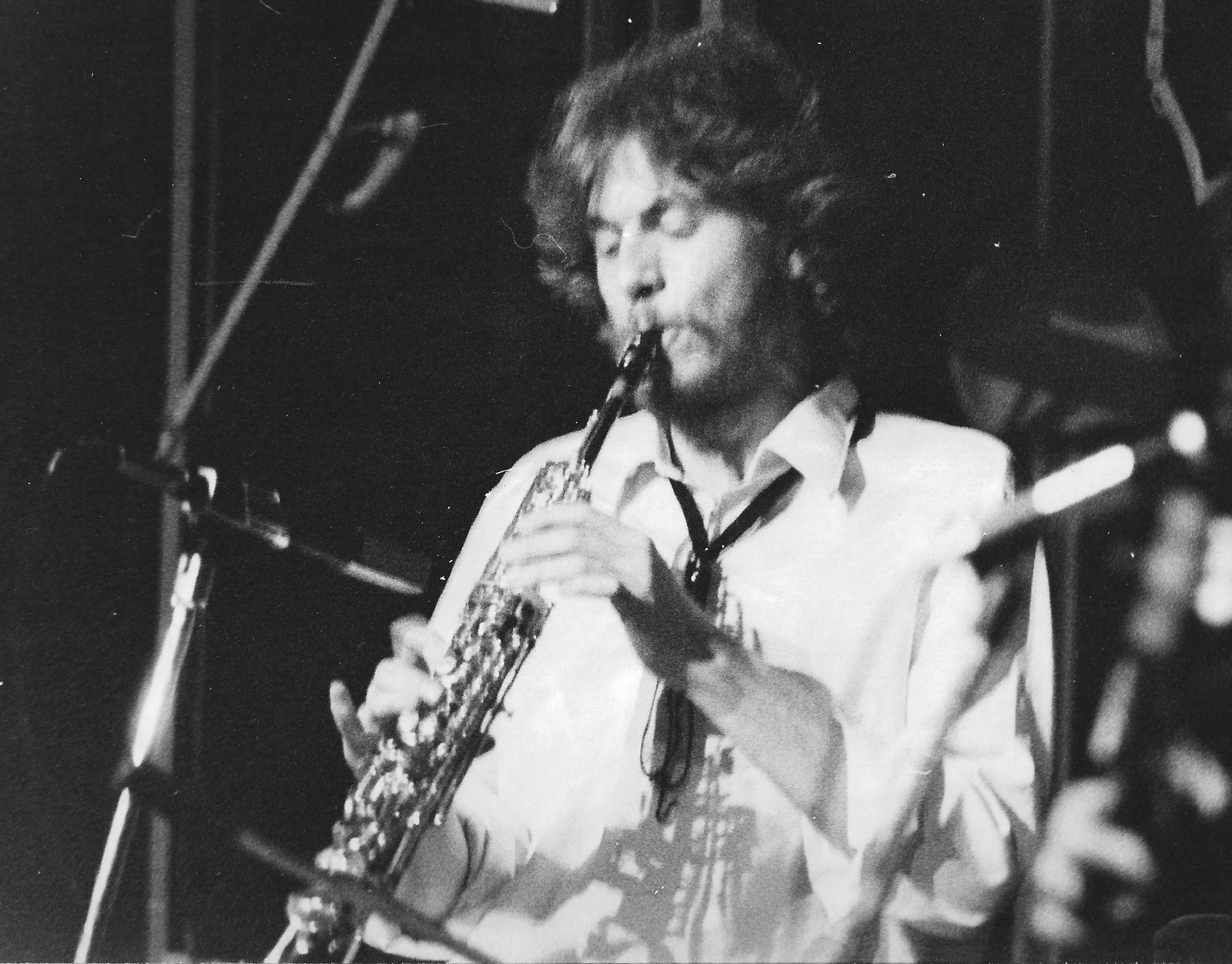
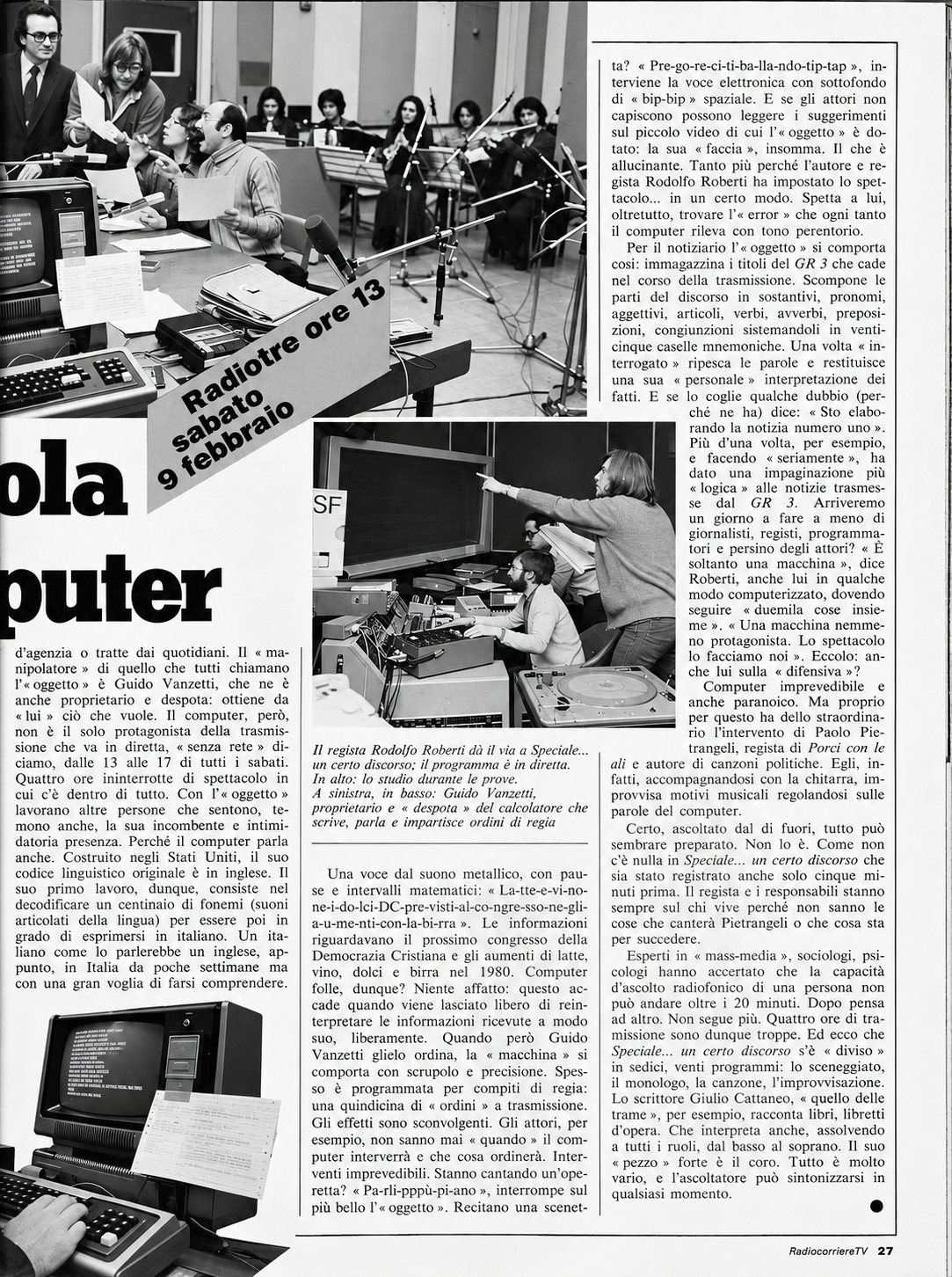
While still a student, in 1979 he signed his first contract with RAI for the programme Un certo discorso (RAI Radio3), for which, in every episode, he composed and performed live musical interventions in counterpoint to the monologues of the actor Francesco Vairano. These early pieces already reveal his interest in experimentation and in sound understood as matter to be explored through unconventional performance practices: he played the soprano saxophone inside the open piano, letting its strings resonate sympathetically, and drew indeterminate sounds from the structural parts of the saxophone and the piano.
His work as a composer of music for picture began in 1982, at the age of 23, when Lodolofilm entrusted him with writing the music for RAI television title sequences and for advertising campaigns produced by the company.
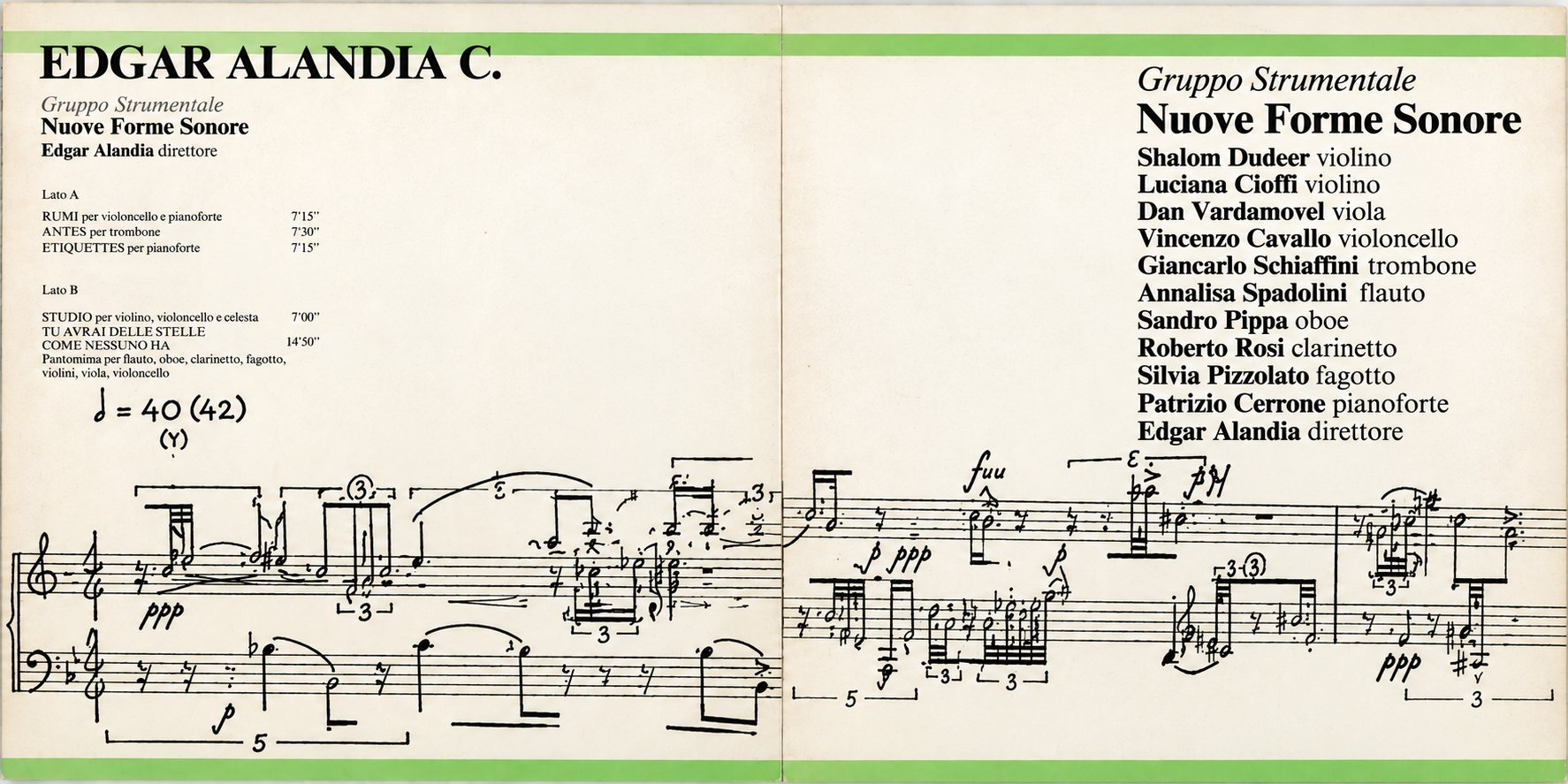
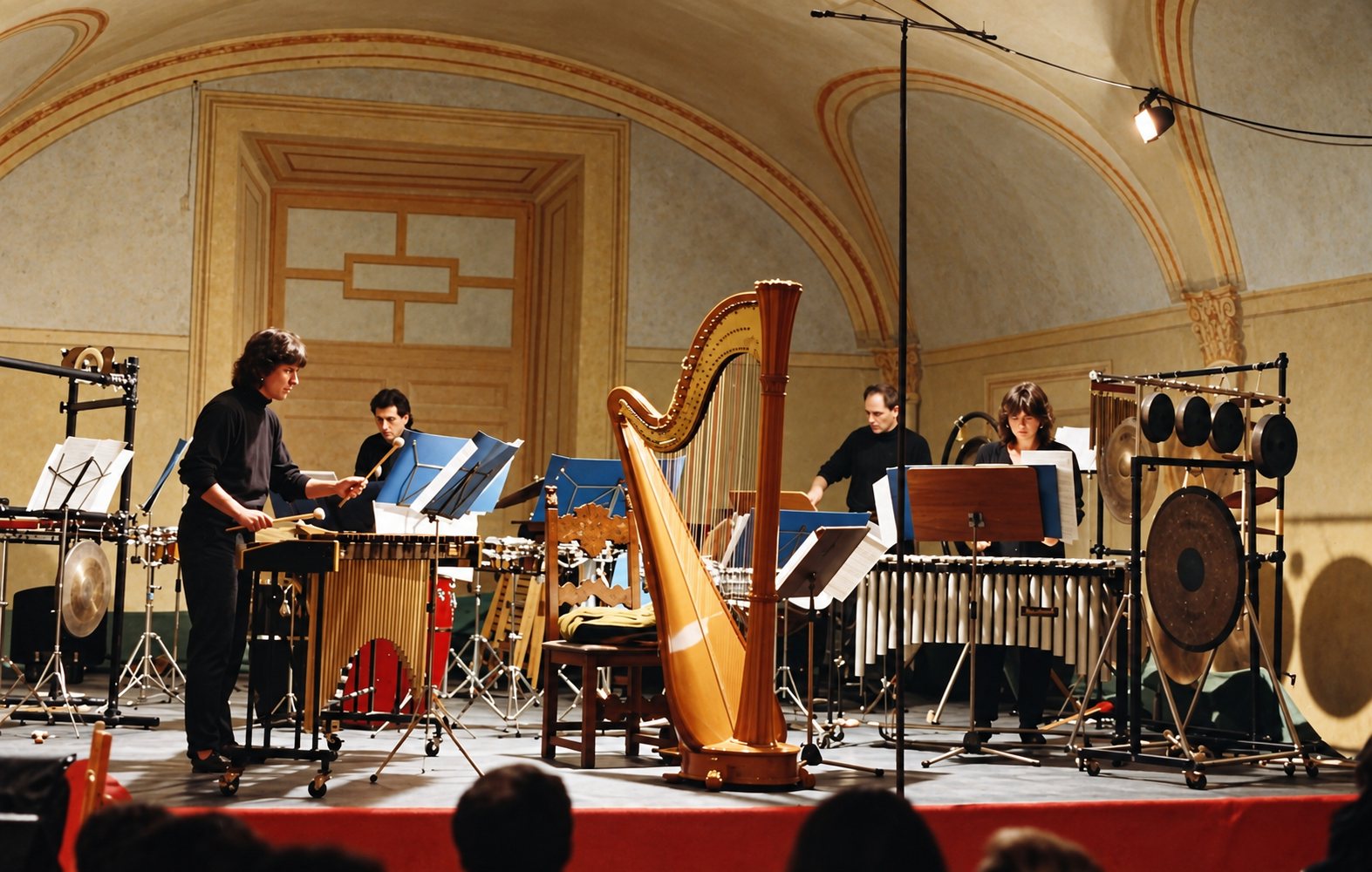
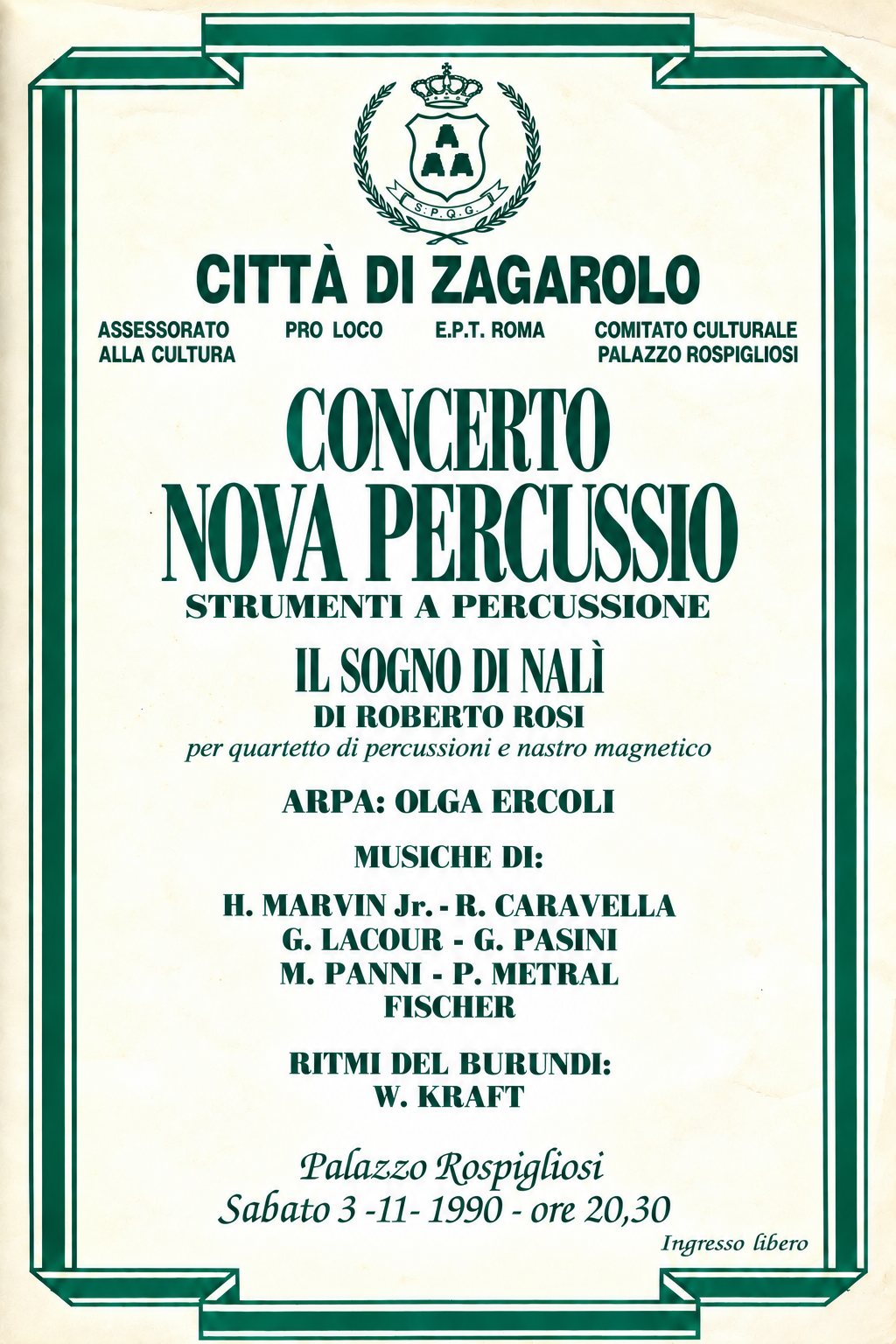
Between the late 1970s and the 1980s he took an active part in the season of musical experimentation in Rome, combining compositional research with instrumental practice. He attended the workshops of Domenico Guaccero and his Nuova Didattica della Composizione, and joined, as clarinettist and percussionist, Nuove Forme Sonore, an ensemble founded by Giancarlo Schiaffini and conducted by the Bolivian composer Edgar Alandia, with which he performed in concert and recorded, taking part in the recordings released by Edipan in 1986 and 1990. In the mid-1980s he began his research into sound drawn from matter made form, bringing to the concert stage with Nova Percussio his own compositions for percussion and magnetic tape, in which recorded sounds foreign to codified, tempered musical systems contaminate and enrich the sonorities of traditional instruments.
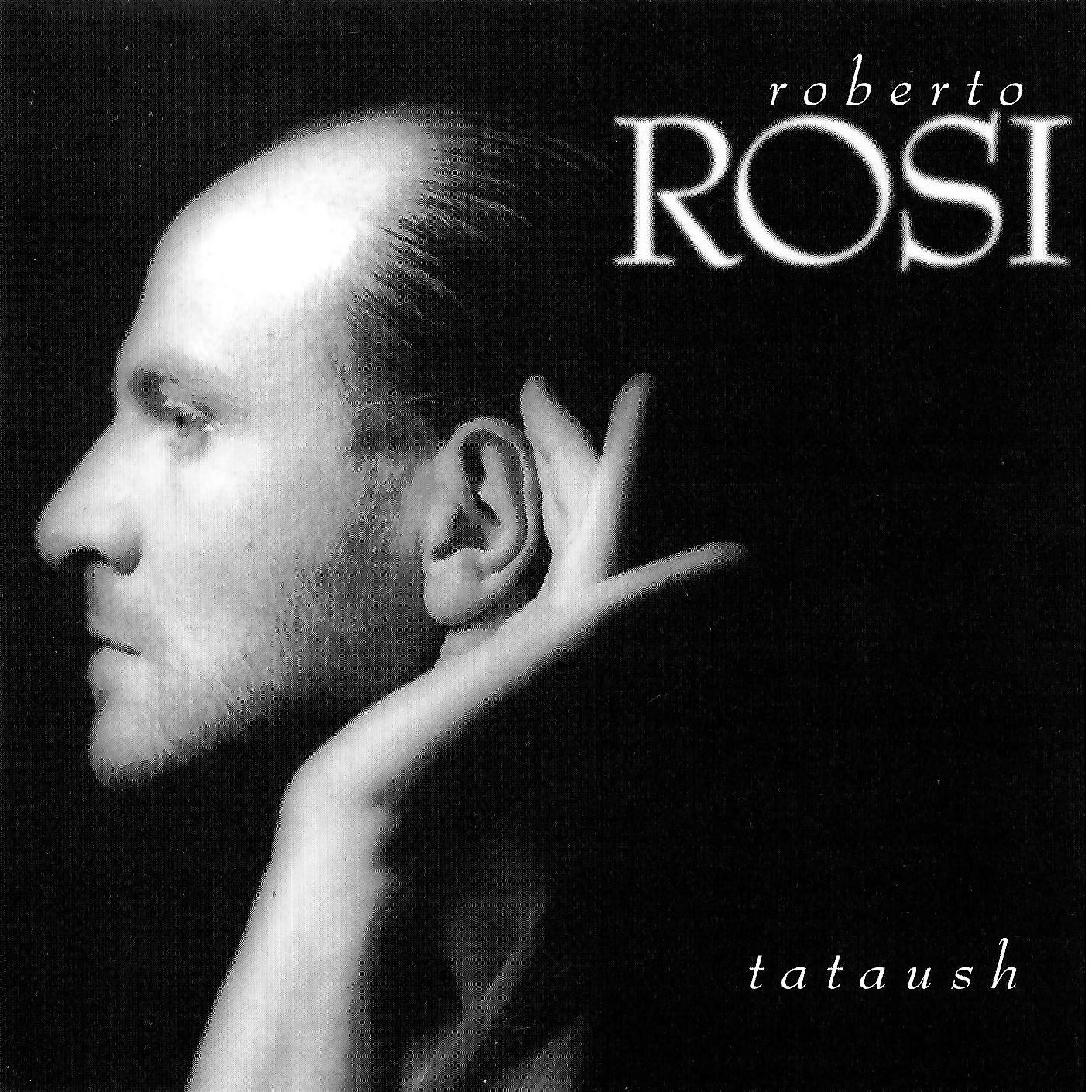
In 1994, thanks to the possibilities opened up by the first sound-editing software, Rosi developed a line of research on the human voice through the fragmentation of recorded sound, exploring the sonic and expressive qualities that persist beyond the intelligibility and meaning of the word. From this research came Tataush, a CD released in France by Arcosudfilms.
In the field of music for picture, over the course of his professional life he has composed for the leading advertising agencies and for brands such as Esso, Telecom, TIM, Chiquita, Tuborg and Martini. For Edizioni Musicali Rai Trade he has also released a series of CDs containing a considerable number of his compositions, which became a permanent part of the RAI repertoire, making him over the years one of the most widely used authors in radio and television productions.
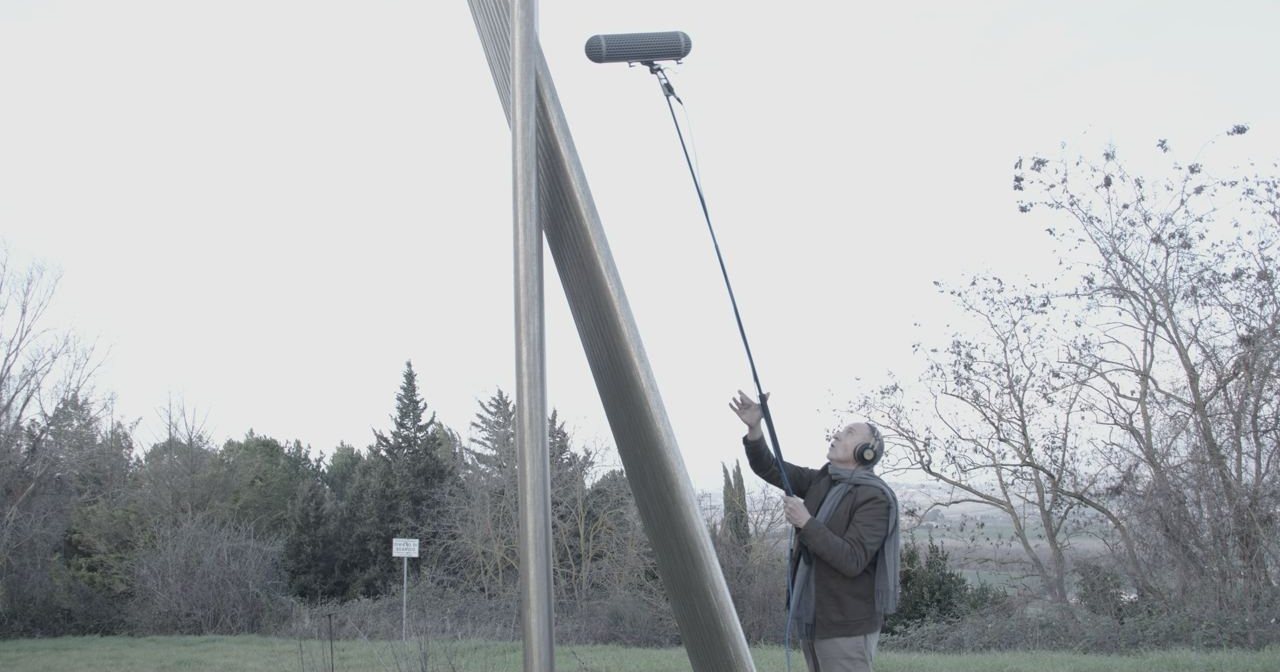
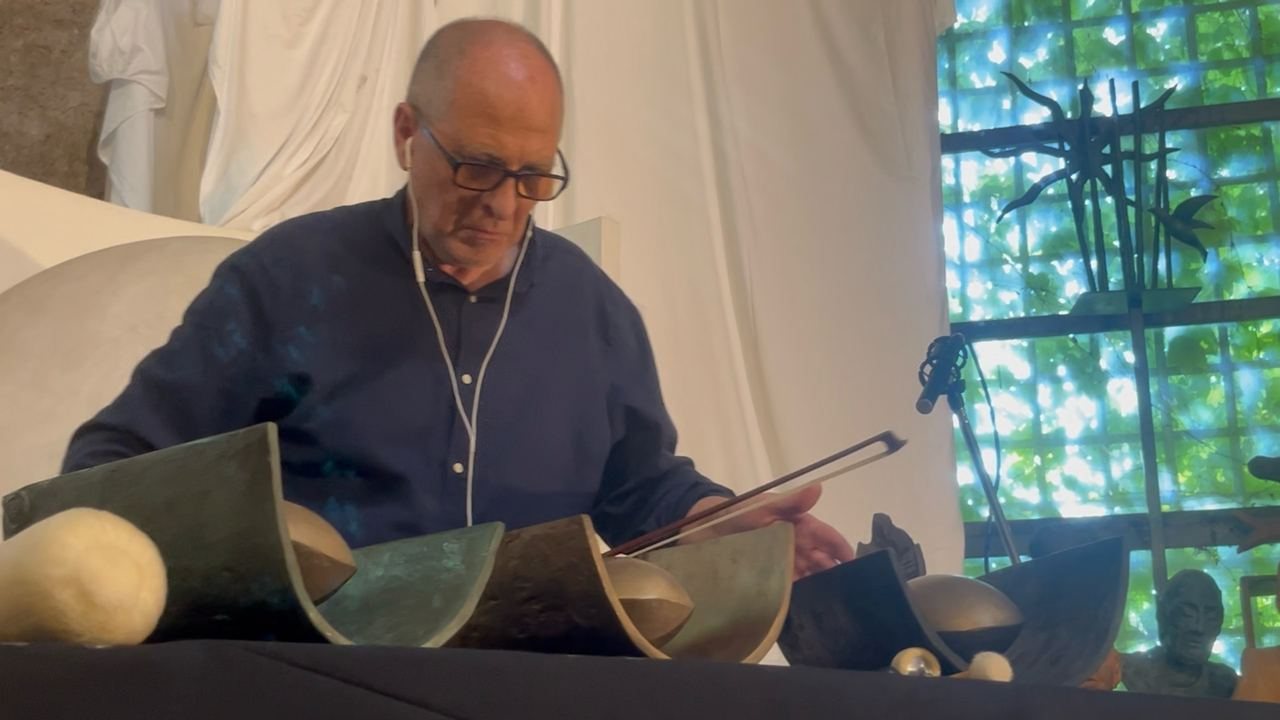
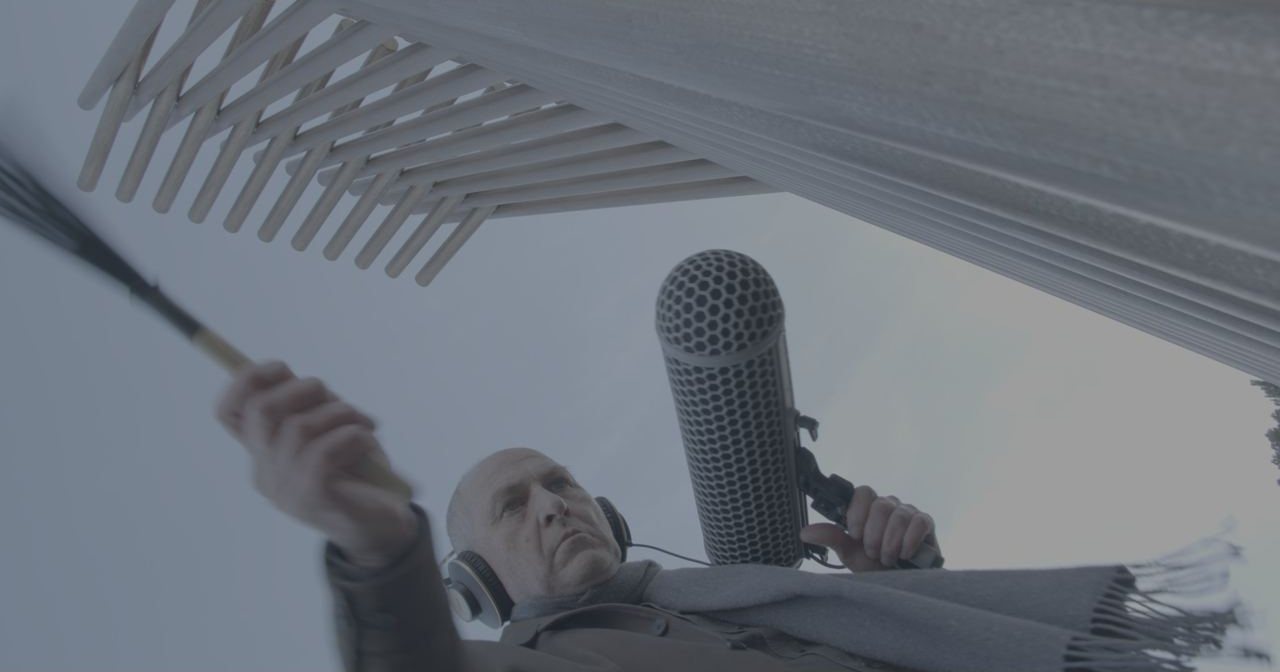
Over more than forty years of compositional activity, his experimentation has turned progressively towards the deep roots of music, isolating its most essential and primordial elements: sonic matter, vibration, gesture, and the sonorities that precede or go beyond codified, tempered musical systems. It is a path that, in his artistic maturity, finds its own definition in the concept of Musica Primordiale, a term he coined, whose principles are formulated and explored in the book L'Eco della Forma. Manifesto della Musica Primordiale (2026).
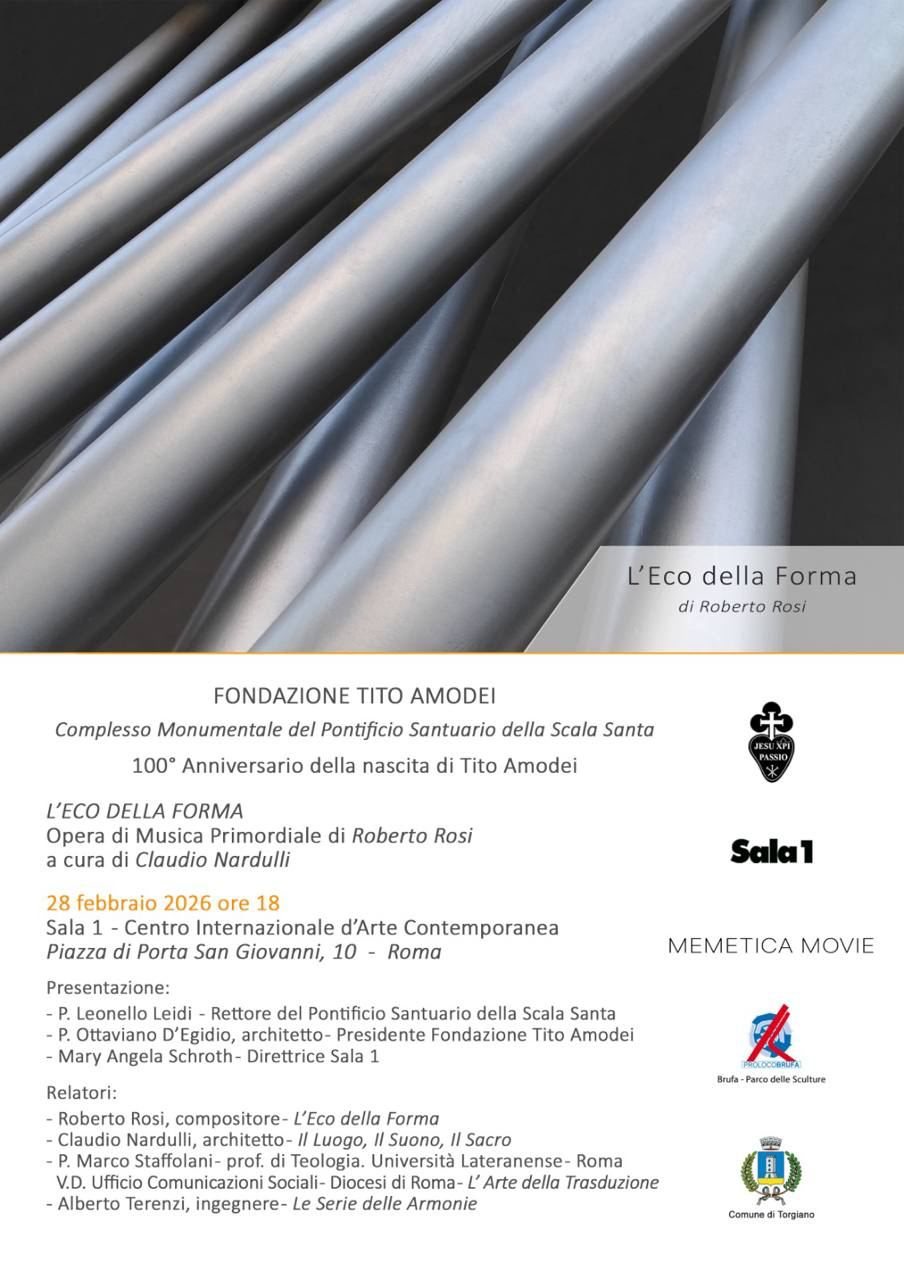
With the world premiere of L'Eco della Forma (The Echo of Form), presented at SALA1, Centro Internazionale d'Arte Contemporanea in Rome, this research finds its full artistic expression, without, however, constituting a point of arrival. For Rosi, Musica Primordiale remains an open and fertile territory of research and of new compositional possibilities, destined to develop further and, at the same time, to go on nourishing his music for picture, in a process of mutual contamination from which both languages draw new material and new expressive vitality.